

In our increasingly diverse global society, effective communication across linguistic barriers is not just a convenience but a fundamental necessity. Community interpreting stands at the forefront of bridging these divides, serving as a vital link that ensures equitable access to essential services for individuals from all linguistic backgrounds. This specialised field goes beyond simple word-for-word translation; it involves navigating complex cultural nuances and operating in often sensitive, real-time interactions that directly impact people’s well-being, rights, and access to justice, healthcare, and social support.
But what is community interpreting, and why is it so essential? This blog will shed light on what it is, explore its core functions, the indispensable skills and qualities required of its practitioners, and the critical roles interpreters play across various sectors, including healthcare, legal, and social services. We will also examine the importance of formal training and certification, the inherent challenges faced by interpreters, and ultimately, why community interpreting is a cornerstone of an inclusive and equitable society.
What is Community Interpreting?
Community interpreting is a specialised field of interpreting that facilitates communication between individuals who speak different languages within various community-based settings. Community Interpreters bridge linguistic and cultural gaps, enabling effective access to essential public service sector employees and private services, including healthcare, legal aid, social services, and education.
Unlike conference interpreters, who often interpret highly specialised terminology and formal settings, community interpreters are individuals who assist those people who are not fluent in the official language of a country. Community interpreting services frequently occur in more personal, usually sensitive, and sometimes emotionally charged environments, directly impacting individuals’ well-being and rights.
Core Functions and Responsibilities
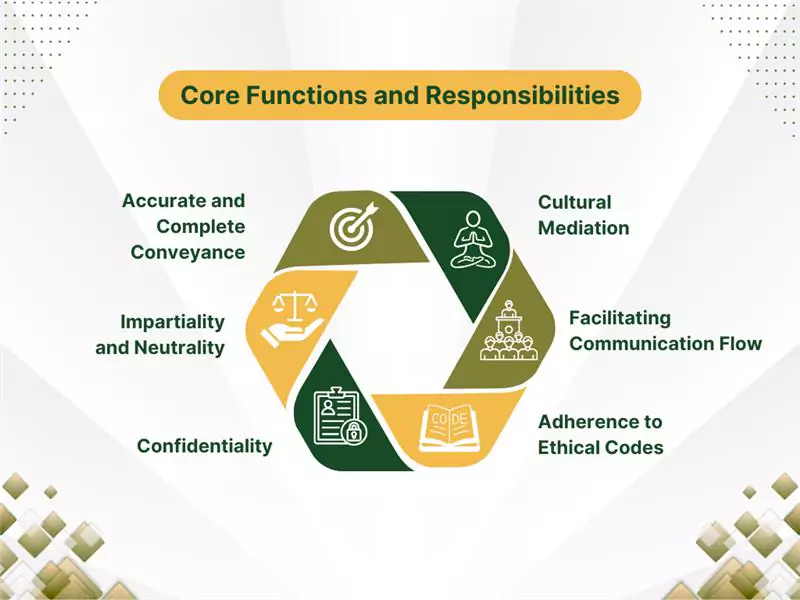
The primary purpose of a community interpreter is to accurately and faithfully interpret spoken messages from one language to another, ensuring that all parties understand each other’s contributions fully. Understanding on-site interpreting vs remote interpreting helps explain how each service is delivered, but the interpreter’s core responsibilities stay the same. Key responsibilities include: Key responsibilities include:
Accurate and Complete Conveyance: Delivering the original message precisely, without adding, omitting, or altering any information, including tone, intent, and nuances.
Impartiality and Neutrality: Remaining unbiased and objective, not offering personal opinions, advice, or judgment, and treating all parties equally.
Confidentiality: Protecting all sensitive information shared during the interpreting encounter, for instance, with refugees, immigrants, doctors, patients, police stations, and so on.
Cultural Mediation: Bridging cultural misunderstandings by appropriately portraying one’s culture to another when it impedes communication, without imposing personal views.
Facilitating Communication Flow: To manage the communication process, including taking turns, clarifying messages, and communicating with public sector employees to ensure smooth interaction.
Adherence to Ethical Codes: Following strict professional ethics and standards of practice, such as the AUSIT Code of Ethics, which governs the conduct of translators and interpreters in Australia.
Skills and Qualities of Community Interpreters
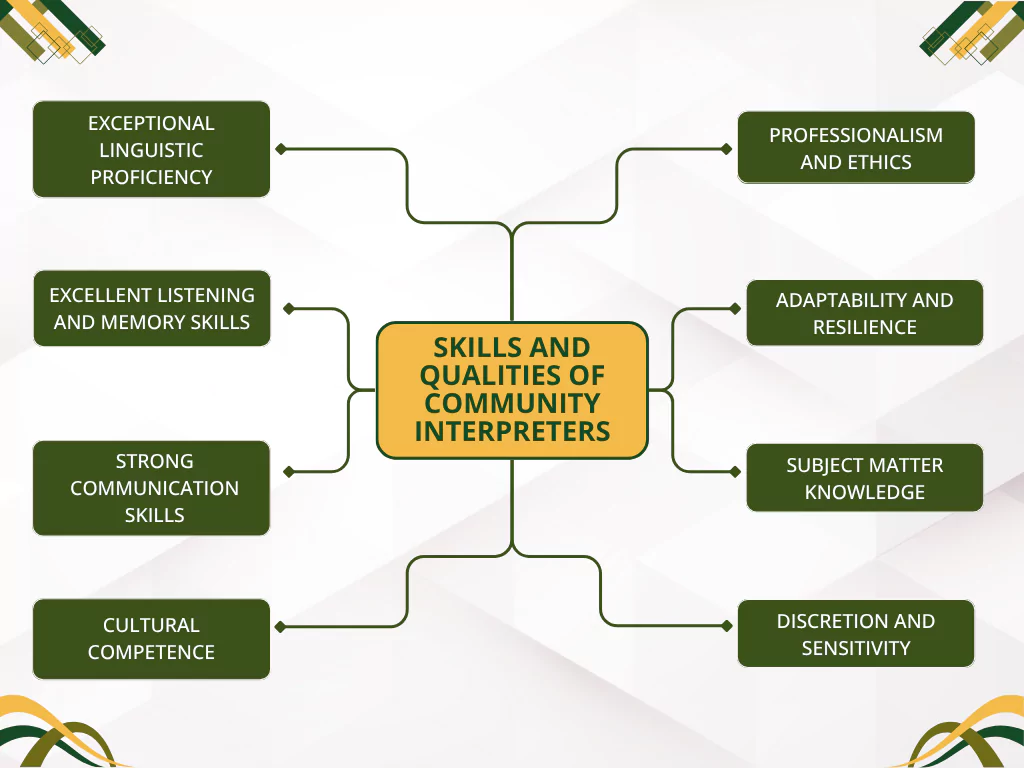
Beyond fluency in two or more languages, effective community interpreters possess a unique set of skills and qualities:
Exceptional Linguistic Competence: Native or near-native fluency in both source and target languages, including a strong grasp of vocabulary, grammar, idioms, and colloquialisms.
Excellent Listening and Memory Skills: Ability to process and retain complex information for accurate rendition, especially in consecutive interpreting.
Strong Communication Skills: Clear articulation, appropriate tone, and effective management of communication dynamics.
Cultural Competence: Deep cultural knowledge and understanding of norms, values, and communication styles of both language groups to prevent misunderstandings.
Professionalism and Ethics: Unwavering commitment to confidentiality, impartiality, accuracy, and professional boundaries.
Adaptability and Resilience: Ability to work effectively in diverse and sometimes challenging or emotionally demanding situations.
Subject Matter Knowledge: Familiarity with the terminology and concepts relevant to the specific sectors they work in (e.g., medical terms, legal procedures).
Discretion and Sensitivity: Handling sensitive information and delicate community-based situations with tact and empathy.
What Does a Community Interpreter Do: Role in Different Types of Sectors
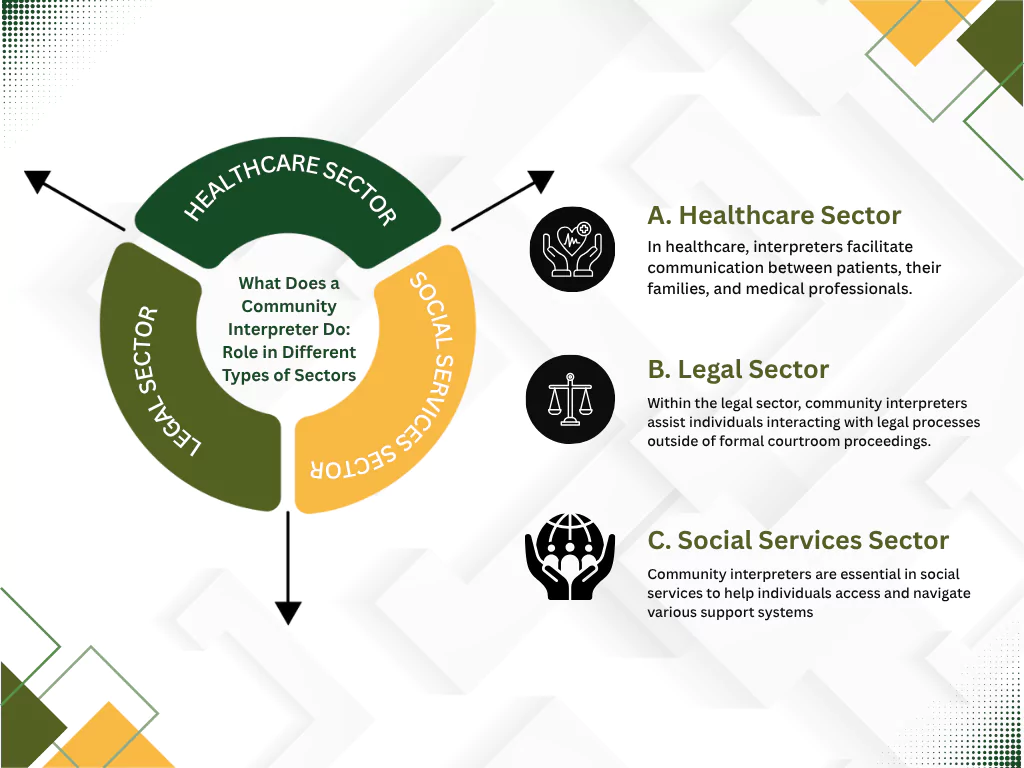
A. Healthcare Sector
In medical interpreting, community interpreters facilitate communication between patients, their families, and medical professionals. They ensure that:
- Patients understand diagnoses, treatment plans, medication instructions, and medical procedures.
- Healthcare providers accurately comprehend patient symptoms, medical history, and concerns.
- Informed consent processes are truly understood by non-English speaking patients.
- Cultural beliefs impacting health decisions are appropriately conveyed and understood.
Examples: Interpreting during doctor’s appointments, emergency room visits, therapy sessions, or surgical consultations.
B. Legal Sector
In the legal sector, community and phone interpreters assist individuals in legal processes outside formal courtroom proceedings (where certified court interpreters are typically required). Their role is to ensure:
- Clients understand their rights and legal options when consulting with legal aid attorneys.
- Communication is clear during immigration interviews, police statements, or victim support services.
- Terms of legal documents or agreements are explained clearly in common language.
Examples: Interpreting for pro bono legal clinics, police interviews, immigration services, or discussions with social workers involved in legal cases (e.g., child welfare).
C. Social Services Sector
Community interpreters for multicultural CALD communication services are essential in social services to help individuals access and navigate various support systems:
- Ensuring clients understand their eligibility for benefits, housing assistance, or food programs.
- Facilitating communication during interviews for welfare, unemployment, or family services.
- Helping social workers understand the needs and circumstances of diverse families.
Examples: Interpreting at welfare offices, housing authorities, child protective services meetings, or community resource centres.
Training and Certification
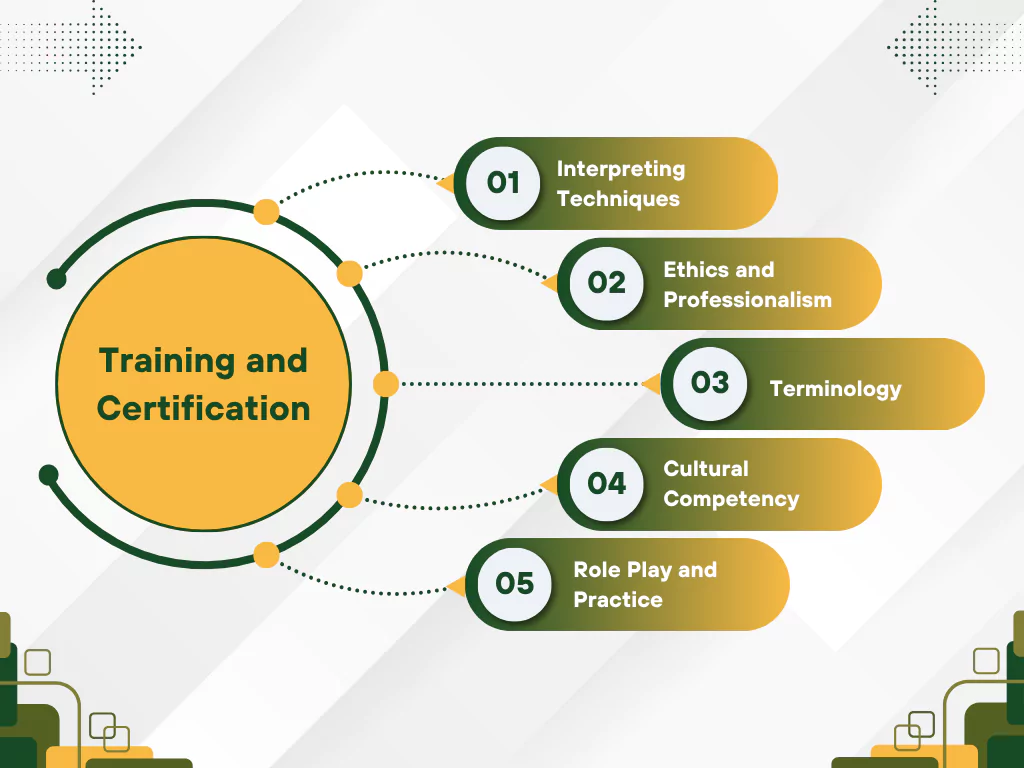
Formal training is crucial for community interpreters to develop the necessary skills, ethical understanding, and specialised knowledge. Training programs typically cover:
- Interpreting Techniques: Consecutive and simultaneous interpreting, sight translation, note-taking.
- Ethics and Professionalism: Detailed instruction on confidentiality, impartiality, accuracy, and professional conduct.
- Terminology: Specialised vocabulary for medical, legal, and social service contexts.
- Cultural Competency: Strategies for effective cross-cultural communication.
- Role Play and Practice: Hands-on experience interpreting various scenarios.
NAATI Certification is becoming increasingly important, as it demonstrates an interpreter’s competence and adherence to professional standards. Certification often involves rigorous testing of linguistic proficiency, interpreting skills, and ethical knowledge. Many organisations and institutions require certified interpreters to ensure quality and compliance with language access laws. Similarly, when written records or legal evidence must be submitted alongside interpreting services, obtaining a NAATI certified translation guarantees that written documents meet the exact accreditation standards required by Australian courts and health networks.
Challenges Faced in Community Interpreting
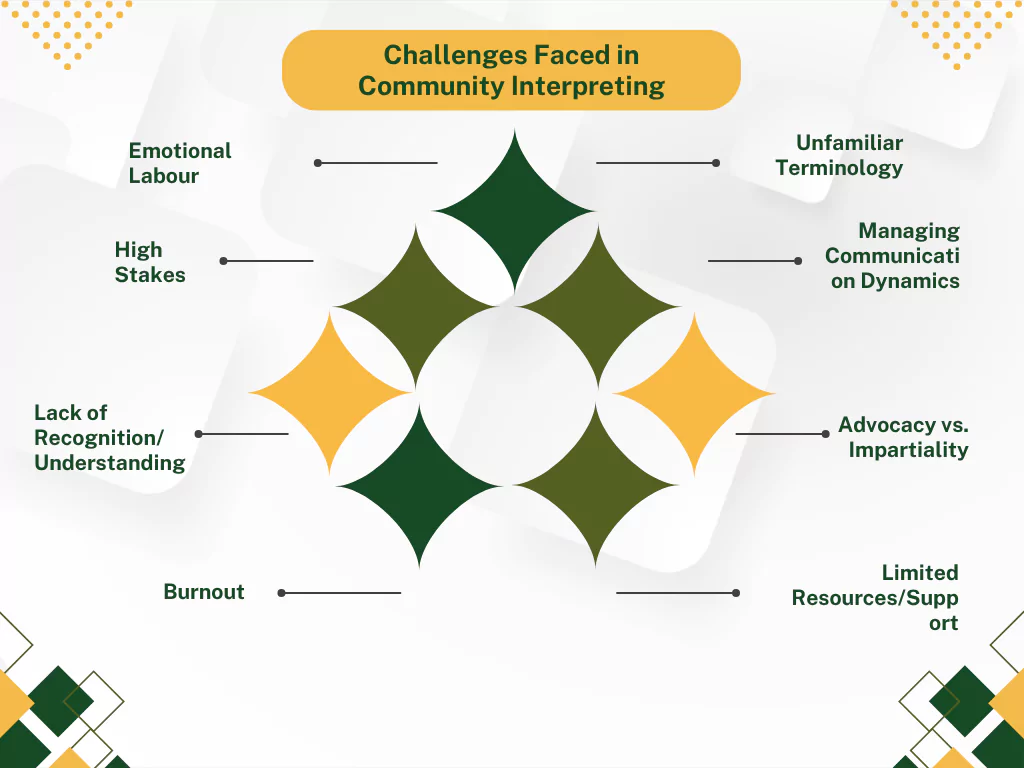
Community interpreters often encounter significant challenges, including:
- Emotional Labour: Dealing with sensitive, traumatic, or highly emotional content.
- High Stakes: The consequences of misinterpretation can be severe, especially in medical or legal contexts.
- Lack of Recognition/Understanding: Sometimes their professional role is misunderstood by service providers or clients.
- Burnout: The intensity and emotional demands of the work can lead to stress and fatigue.
- Unfamiliar Terminology: Encountering highly specialised or archaic terms without prior preparation.
- Managing Communication Dynamics: Dealing with fast talkers, emotionally distressed individuals, or multiple speakers.
- Advocacy vs. Impartiality: Navigating the fine line between clarifying information and advocating for a client.
- Limited Resources/Support: Sometimes working in environments with inadequate access to resources or professional support.
Why Community Interpreting Matters?
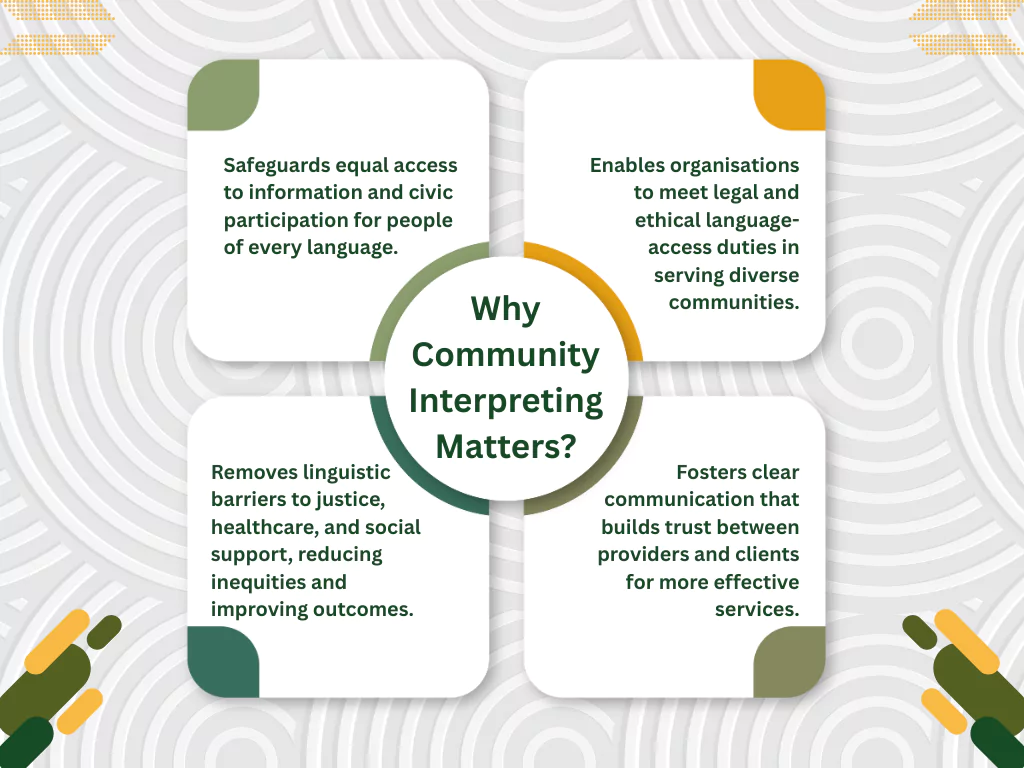
Community interpreting is far more than just language conversion; it is a fundamental pillar of an equitable and inclusive society. This is How Interpreting Services Connect People and Cultures:
- Promotes human rights and inclusion: Ensures that individuals, regardless of their language, have equal access to essential services and can fully participate in society. It upholds the right to information and communication.
- A cornerstone of inclusive public service delivery, it allows public and private organisations to effectively serve diverse populations, meeting their legal and ethical obligations to provide language access.
- Enhances access to justice, healthcare, and social equity by breaking down barriers that would otherwise prevent vulnerable populations from receiving critical medical care, understanding their legal rights, or accessing vital social support systems. This directly contributes to better health outcomes, fair legal processes, and reduced disparities.
- Builds trust and understanding: Facilitates meaningful communication, fostering trust between service providers and clients, which leads to better outcomes and more effective service delivery.